
Asha Multispeciality Hospital
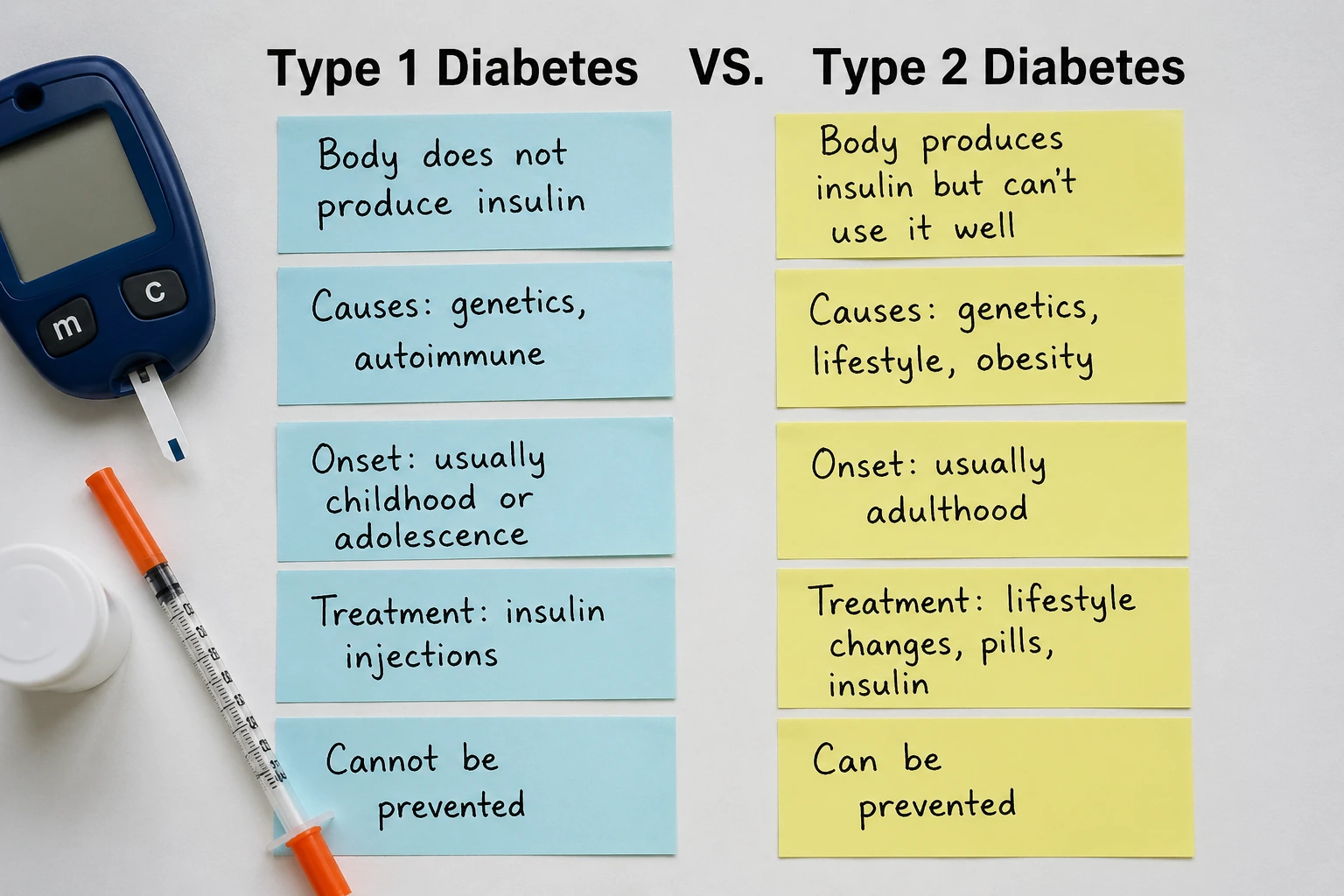
A simple guide to understand the difference between Type 1 and Type 2 diabetes, and when it’s important to consult a specialist in Malad. Know the warning signs and when to see a specialist
Diabetes is one of the most common health conditions today, yet many people are still unsure about its different types. Terms like Type 1 and Type 2 are often heard, but the difference between them is not always clearly understood. This lack of clarity can delay appropriate treatment and care.
In simple terms, both types affect how the body manages blood sugar, but they develop differently and require different treatment approaches. Recognising these differences is important, especially when symptoms are mild or easily ignored.
For individuals and families seeking guidance from a diabetes specialist in Malad, understanding when to seek medical help is just as important as understanding the condition itself.
Healthcare centres like Asha Multispeciality Hospital provide structured diabetes care with access to specialists and support services under one roof, making it easier to manage the condition with the right medical advice.
This guide will break down Type 1 and Type 2 diabetes in a simple way and help you understand when it’s the right time to consult a specialist.
Understanding Diabetes in Simple Terms
To understand the difference between Type 1 and Type 2 diabetes, it helps to first know what diabetes actually means.
When you eat, your body converts food into glucose (sugar), which is used for energy. A hormone called insulin helps move this sugar from the blood into the cells. In diabetes, this process does not work properly.
Instead of entering the cells, sugar starts building up in the bloodstream. Over time, this can affect different parts of the body if not managed well.
Diabetes is not just about high sugar levels. It is a condition that needs regular monitoring, the right treatment plan, and timely medical support. This is why consulting a diabetes doctor Malad East can help in better understanding and managing the condition effectively.
Keeping things simple, the main difference between Type 1 and Type 2 lies in how the body handles insulin. The next sections will explain this clearly so you can identify what sets them apart.
What is Type 1 Diabetes?
Type 1 diabetes is a condition where the body is unable to produce insulin at all. This happens because the immune system mistakenly attacks the cells in the pancreas that make insulin.
It is often diagnosed in children, teenagers, or young adults, but it can appear at any age. Since the body cannot produce insulin, people with Type 1 diabetes need insulin support for life.
Some key points to understand it better:
- It develops quickly compared to other types
- It is not linked to lifestyle habits
- Regular insulin therapy is necessary to manage blood sugar levels
- Continuous monitoring is important for safety and stability
Type 1 diabetes requires structured medical care and regular follow-up with a diabetes specialist in Malad to keep blood sugar levels under control.
What is Type 2 Diabetes?
Type 2 diabetes is the more common form of diabetes. In this condition, the body still produces insulin, but it does not use it properly. This is called insulin resistance.
It usually develops gradually and is often linked with lifestyle factors such as diet, physical activity, weight, and stress levels. However, genetics also plays an important role.
Key points include:
- More common in adults, but now seen in younger people as well
- Develops slowly over time
- Can often be managed with lifestyle changes and medication
- May progress if not controlled properly
Unlike Type 1, many people with Type 2 diabetes may not notice symptoms early, which is why timely consultation with a diabetes doctor in Malad East is important for early detection and better management.
Type 1 vs Type 2 Diabetes – Simple Comparison
To make things easier to understand, here’s a clear comparison between the two types of diabetes. While both affect blood sugar levels, the cause and management are quite different.
| Factor | Type 1 Diabetes | Type 2 Diabetes |
| Cause | Autoimmune condition where insulin is not produced | Body becomes resistant to insulin or doesn’t use it properly |
| Onset | Sudden and often early in life | Gradual and develops over time |
| Insulin | Always required | May or may not be required depending on condition |
| Common Age Group | Children, teens, young adults | Adults, but increasingly seen in younger people |
| Management | Lifelong insulin therapy | Lifestyle changes, oral medication, sometimes insulin |
Understanding these differences helps identify the condition early and choose the right treatment approach with a diabetes specialist in Malad.
Common Symptoms You Should Not Ignore
Diabetes often develops silently, especially in the early stages. Many people mistake the symptoms for general tiredness or minor health issues, which delays diagnosis.
Some common signs include:
- Frequent urination
- Excessive thirst
- Constant fatigue
- Unexplained weight changes
- Blurred vision
- Slow healing of wounds
These symptoms may appear mild at first, but should not be ignored if they persist. Early consultation with a diabetes doctor in Malad East can help confirm the diagnosis and initiate appropriate treatment before complications develop.
When Should You See a Diabetes Specialist?
Not every change in blood sugar immediately feels serious, which is why many people delay seeking medical advice. However, there are certain situations in which consulting a specialist is important and should not be delayed.
You should consider visiting a diabetes specialist in Malad if you notice symptoms such as persistent fatigue, increased thirst, or unexplained weight changes that last for weeks. Even if symptoms are mild, their persistence is a warning sign.
It is also important to seek medical help if:
- You already have diabetes, but your sugar levels are not stable
- You have a family history of diabetes
- Routine health check-ups show high blood sugar levels
- Lifestyle changes are not improving your condition
Early consultation helps in understanding the type of diabetes and planning the right treatment approach before complications begin.
Why Early Diabetes Care Matters
Diabetes is a condition that works best when managed early and consistently. Delaying treatment can lead to complications that affect the heart, kidneys, eyes, and nerves over time.
When diagnosed early, it becomes easier to:
- Control blood sugar levels effectively
- Reduce the risk of long-term complications
- Adjust lifestyle and diet in a structured way
- Avoid sudden health fluctuations
This is why timely medical attention from a diabetes doctor in Malad East is important for long-term health. Early care is not just about treatment; it is about preventing future health challenges and maintaining a stable lifestyle.
Role of a Multi-Speciality Hospital in Diabetes Care
Diabetes is not a condition that stays limited to blood sugar alone. Over time, it can affect multiple organs, which is why treatment often requires a broader medical approach.
In a multi-speciality setup, care becomes more structured because different aspects of health can be monitored together rather than separately.
Why it matters in diabetes care:
- Heart health monitoring: Diabetes increases the risk of cardiovascular issues
- Kidney function checks: Early detection helps prevent complications
- Eye and nerve care: Regular screening reduces long-term damage
- Coordinated treatment: Specialists work together for better outcomes
This kind of integrated approach helps avoid diagnostic delays and ensures that all related health concerns are addressed within a single system.
For patients seeking the best multispeciality hospital in Malad, this model of care is especially important for long-term diabetes management.
A Quick Self-Check Before You Delay Care
Many people live with early signs of diabetes without realising the seriousness of the condition. A simple self-check can help understand whether it’s time to seek medical advice.
Ask yourself:
- Have symptoms like tiredness or thirst been continuing for a while?
- Are blood sugar levels showing fluctuations in recent tests?
- Is diet and lifestyle change not improving the situation?
- Are you delaying regular health check-ups due to busy routines?
If the answer is “yes” to even a few of these, it may be the right time to consult a specialist rather than wait for symptoms to become more noticeable.
Early action often makes diabetes easier to manage and reduces the risk of long-term complications. Internal Medicine specialists can help identify underlying health concerns, monitor chronic conditions, and create a personalised treatment plan for better long-term health.
Final Thoughts: Don’t Wait for Symptoms to Worsen
Diabetes management becomes much more effective when it is understood early and handled with the right medical guidance. Knowing the difference between Type 1 and Type 2 diabetes, recognising symptoms, and not delaying consultation can significantly impact long-term health.
What often helps patients most is quick support, regular check-ins, and a clear care plan that goes beyond blood sugar levels. With the right approach, diabetes can be managed in a stable and confident way, reducing the risk of complications over time.
For individuals and families seeking the best hospital in Malad East, Asha Multispeciality Hospital offers comprehensive diabetes care, with access to specialists, diagnostic support, and coordinated treatment under one roof. This makes it easier for patients to receive continuous care without unnecessary delays or confusion.
If symptoms are present or blood sugar levels change, booking a consultation at the right time can help clarify and better control health.
Contact Numbers- +91 85914 94344 / +91 836 938 2278 / 022-35974652