Asha Multispeciality Hospital
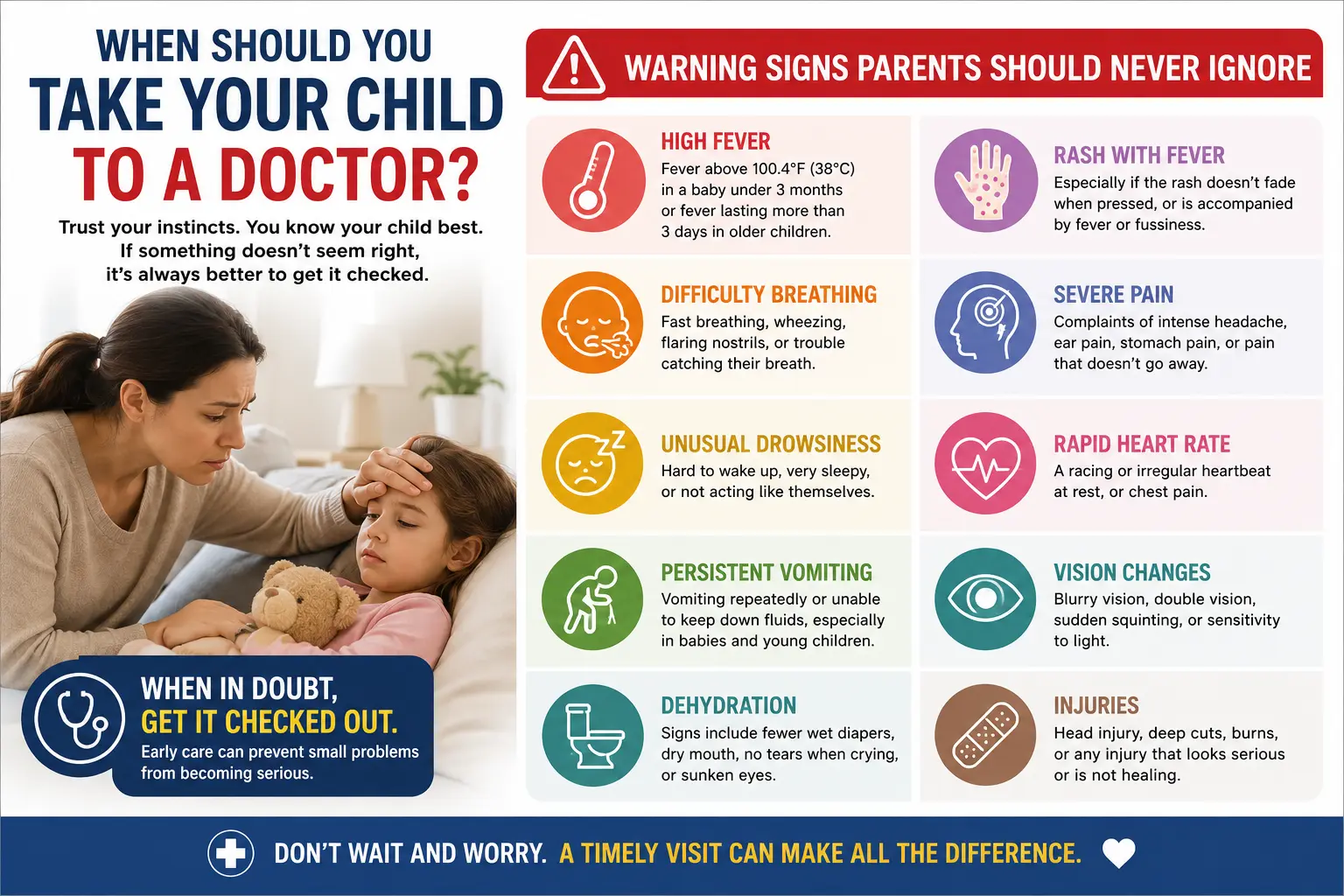
Every parent wants their child to grow up healthy and happy. While minor illnesses such as colds, coughs, and mild fevers are common during childhood, certain symptoms may indicate a more serious health issue that requires medical attention.
Children often cannot clearly explain how they feel, making it important for parents to recognize warning signs and know when to seek professional care. Consulting a qualified children doctor in Malad at the right time can help ensure timely diagnosis and treatment, preventing complications and supporting your child’s overall well-being.
Why Regular Pediatric Care Matters
Children experience rapid physical, emotional, and developmental changes during their early years. Regular health check-ups help monitor growth, identify potential concerns early, and ensure vaccinations and preventive care remain up to date.
A pediatrician specializes in diagnosing and treating health conditions affecting infants, children, and adolescents, providing age-appropriate medical care tailored to each stage of development.
Common Childhood Illnesses
Many childhood illnesses can be managed with rest, hydration, and proper care at home. These include:
- Common cold
- Mild fever
- Seasonal allergies
- Minor stomach upset
- Mild cough
However, some symptoms should never be ignored.
Warning Signs That Require Immediate Medical Attention
1. High Fever
A fever is often a sign that the body is fighting an infection. While mild fevers are common, parents should seek medical advice if:
- The fever persists for more than a few days
- The temperature is unusually high
- The child appears lethargic or unusually irritable
- The fever is accompanied by difficulty breathing or dehydration
A trusted children doctor in Malad can help determine the cause and recommend appropriate treatment.
2. Difficulty Breathing
Breathing problems can quickly become serious in children.
Watch for:
- Rapid breathing
- Wheezing
- Persistent coughing
- Chest retractions
- Bluish lips or skin
These symptoms may indicate respiratory infections, asthma, or other conditions requiring urgent care.
3. Persistent Vomiting or Diarrhea
Occasional stomach upset is common, but persistent vomiting or diarrhea can lead to dehydration.
Signs of dehydration include:
- Dry mouth
- Reduced urination
- Sunken eyes
- Unusual sleepiness
Prompt medical evaluation can help prevent complications.
4. Severe Abdominal Pain
Children frequently complain of stomach aches, but severe or persistent abdominal pain should never be ignored.
Possible causes include:
- Appendicitis
- Gastrointestinal infections
- Constipation
- Food-related issues
A doctor can identify the underlying cause and recommend treatment.
5. Unusual Rash
Skin rashes may occur due to allergies, infections, or viral illnesses.
Seek medical attention if the rash:
- Spreads rapidly
- Is accompanied by fever
- Causes significant discomfort
- Appears infected
6. Ear Pain or Ear Discharge
Ear infections are common in children and can cause:
- Irritability
- Difficulty sleeping
- Ear pulling
- Temporary hearing difficulties
Early treatment can help prevent complications.
7. Frequent Infections
Children naturally experience infections as their immune systems develop. However, frequent or recurring infections may indicate an underlying issue that requires further evaluation.
Importance of Childhood Vaccinations
Vaccinations play a critical role in protecting children from serious diseases.
Benefits include:
- Reduced risk of infection
- Stronger immunity
- Protection against preventable illnesses
- Improved community health
Parents should follow recommended immunization schedules and discuss any concerns with their pediatrician.
Supporting Your Child’s Health at Home
Parents can help support healthy development by:
Encouraging Nutritious Eating
A balanced diet provides essential nutrients for growth and immunity.
Promoting Physical Activity
Regular exercise supports physical and mental well-being.
Ensuring Adequate Sleep
Quality sleep helps children grow, learn, and recover from illness.
Maintaining Good Hygiene
Simple habits such as handwashing can significantly reduce the spread of infections.
How Often Should Your Child Visit a Pediatrician?
Routine check-ups are important even when a child appears healthy.
These visits help monitor:
- Growth and development
- Vaccination status
- Nutrition
- Behavioral and developmental milestones
Regular consultations with a children doctor in Malad can help identify concerns early and provide parents with valuable guidance.
When Should Parents Seek Emergency Care?
Seek immediate medical attention if your child experiences:
- Difficulty breathing
- Seizures
- Unresponsiveness
- Severe allergic reactions
- Persistent high fever
- Signs of severe dehydration
Prompt treatment can significantly improve outcomes in emergency situations.
Conclusion
Children’s health needs can change quickly, making it essential for parents to stay alert to unusual symptoms and warning signs. While many childhood illnesses are mild and temporary, some conditions require prompt medical evaluation to prevent complications.
Regular health check-ups, timely vaccinations, and early medical intervention play a vital role in keeping children healthy and thriving. If you are concerned about your child’s health, consulting an experienced children doctor in Malad can provide reassurance, expert guidance, and the care your child needs for a healthy future.
For added convenience during medical emergencies or planned treatments, choosing a cashless hospital in Malad East can help ensure timely access to quality healthcare while minimizing financial stress for families. Early care, expert support, and regular pediatric consultations are key to helping your child grow up healthy and strong.